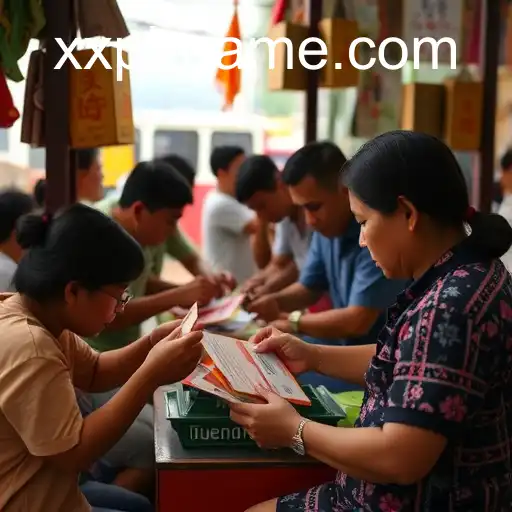
Understanding Jueteng: A Deep Dive into the Controversial Numbers Game
The intriguing world of gambling in the Philippines is incomplete without mentioning Jueteng. This age-old numbers game has been a ubiquitous presence in the socio-economic landscape of the country, especially in regions where poverty is prevalent. Known for its simplicity and allure of substantial rewards, Jueteng's operations have thrived over the years despite efforts from authorities to curtail its prevalence.
The Origins of Jueteng
Jueteng's roots can be traced back to the Spanish colonial era in the Philippines, where it was introduced as a form of lottery. Over time, it evolved into a more localized form of gambling that captured the imagination of the masses. The game is said to derive its name from the Chinese characters "hue," which means flower, and "teng," which means to bet, emphasizing both its Asian influence and its core activity: betting.
How Jueteng is Played
The mechanics of Jueteng are straightforward but captivating. Players choose a combination of two numbers ranging from 1 to 37 and place their bets with a trusted collector known as cobrador. The winning numbers are drawn daily, usually with drum rolls of anticipation among avid players. Despite technological advancements, Jueteng's operations remain manual, appealing to those who enjoy the traditional charm.
The Cultural and Economic Impact
Jueteng is stitched into the social fabric of many Filipino communities. For some, it is a pastime; for others, a source of livelihood. A considerable workforce is involved in Jueteng's operations, from the cobrador who collect bets to the organizers who ensure its smooth execution. Economic hardships push many into the Jueteng trade, hoping for financial reprieve. Yet, it remains a contentious topic, drawing a fine line between economic necessity and illegal activity.
Legal Challenges and Law Enforcement
The Philippine government has long declared Jueteng illegal due to its association with corruption and organized crime. Efforts to curtail its operations, however, often fall short. Many argue that the enforcement of laws against Jueteng is hobbled by systemic corruption and the game's deep-rooted acceptance in society. Officials face the recurring challenge of breaking an entrenched cycle where law enforcers might be as complicit as the criminals they are sworn to prosecute.
The Allure of Jueteng
What sets Jueteng apart from other forms of gambling is its ubiquitous nature and accessibility. With minimal barriers to entry, anyone can place a bet for as low as a few pesos. This ease of participation is its biggest draw, attracting players from all walks of life. For many, Jueteng represents hope—a chance to turn small wagers into large sums, offering a promise that countless individuals find hard to resist.
Key Players in the Jueteng Network
Understanding Jueteng requires knowledge of the key actors involved in its operations. At the grassroots level are the cobradors, who are vital in connecting the bettors to financiers. Behind them is the kubrador, coordinating operations, and at the apex, the gambling lords or bosses who wield significant power and influence. Together, they form a complex network, persistently navigating the overlapping worlds of legality and clandestineness.
Jueteng in Modern Society
Despite advances in legal gambling alternatives, Jueteng continues to flourish. For many Filipinos, it fulfills not just an economic gap but also a cultural one. Modern society sees an ongoing battle between embracing regulated forms of gaming and the allure of traditional practices like Jueteng. The digital age presents new challenges and opportunities, with discussions around potential legalization and regulation gaining traction.
Societal Perceptions and Misconceptions
Jueteng is often stigmatized yet romanticized, a paradox that defines its existence. While outsiders may view it as a symbol of vice and criminality, for its patrons, it is an enduring legacy, nearly a heritage with its own customs and stories. Understanding societal perceptions is crucial in addressing the complexities surrounding Jueteng and its persistence in Philippine culture.
Potential Roads to Resolution
Solving the Jueteng puzzle requires multifaceted strategies that go beyond mere prohibition. Efforts must consider socio-economic contexts, offering viable alternatives and empowering communities plagued by Jueteng. Education and legitimate employment opportunities could pave the way for reducing reliance on illegal gambling. Some propose regulation or transformation of Jueteng into a legal enterprise to harness its economic potential responsibly.
In conclusion, Jueteng remains a controversial and popular activity, deeply embedded in Filipino society. Its future, while uncertain, depends on comprehensive understanding, societal engagement, and strategic frameworks aimed at addressing the root causes of its persistence.